

What Is Layering Techniques in Hair?
- maxgiglio
- May 24
- 6 min read
Updated: Jun 18
A haircut can be technically correct and still do very little for your face, your movement, or the way your hair falls once you leave the salon. That is exactly why clients ask, what is layering techniques in hair? They are not simply shorter pieces cut into longer lengths. Done properly, layering is a precision method used to control weight, create shape, and bring softness or drama exactly where it flatters you most.
For women who want hair to look expensive rather than merely tidy, layering is often the detail that changes everything. It can lift heavy ends, frame cheekbones, open the jawline, and give a blow-dry that unmistakable polished finish. But the result depends entirely on how the layers are designed. There is no single formula, and there should never be.
What is layering techniques in hair?
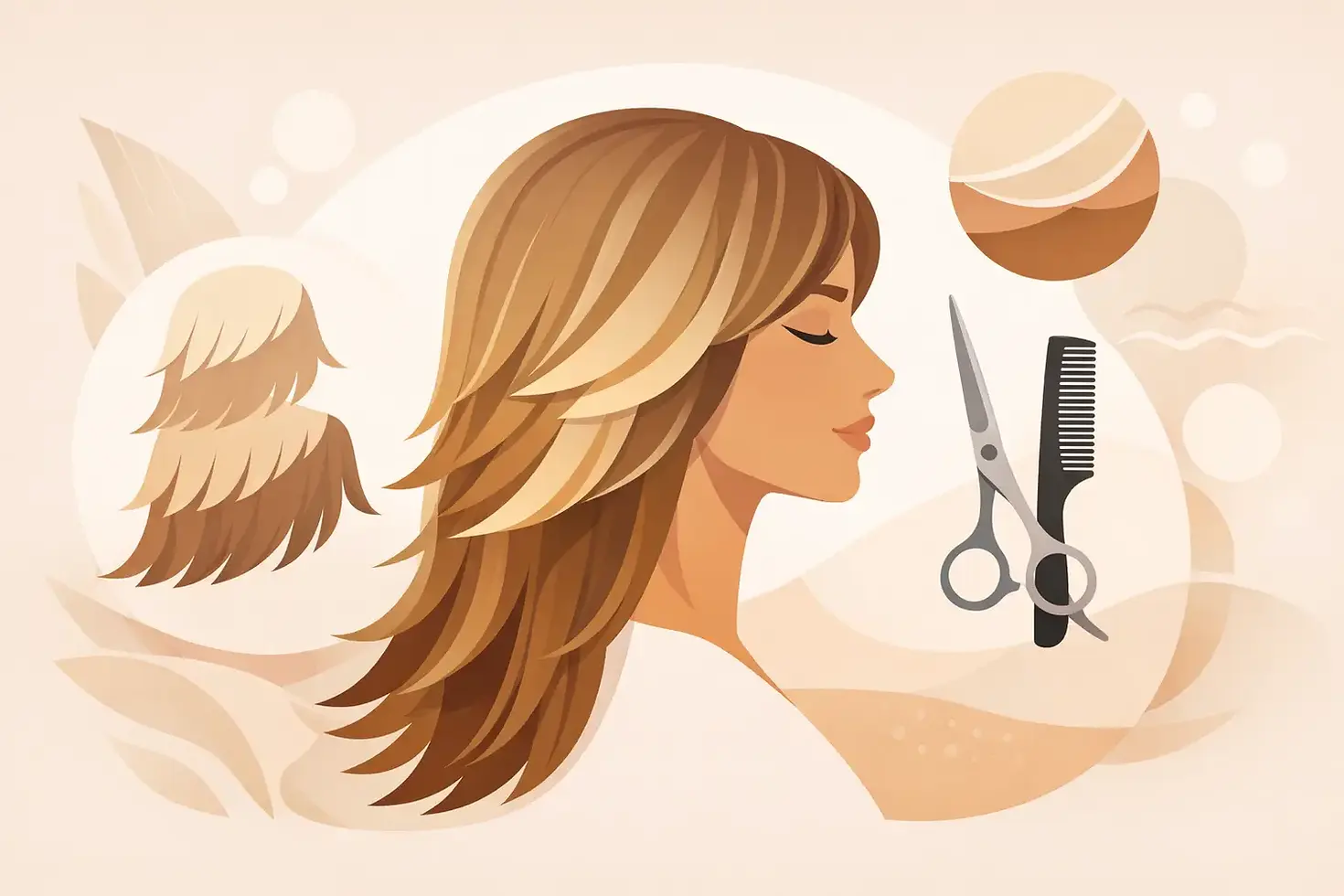
Layering techniques in hair refer to the way a stylist cuts different lengths throughout the haircut to create shape, movement, balance, and texture. The purpose is not only to remove bulk. It is to place the hair so it supports your features, your natural density, and the way you actually style it.
That distinction matters. Good layering is architectural. It changes how the hair sits around the crown, how it swings through the mid-lengths, and how the ends hold their line. A face-framing layered cut will behave very differently from invisible internal layering, even if both appear soft and effortless.
This is why two clients can ask for layers and leave with entirely different haircuts. One may need more airiness around the face and collarbone. Another may need structure through thick lengths so the hair moves beautifully without looking thin. The technique must fit the person, not the trend.
Why layering matters more than people think
When hair feels heavy, shapeless, or difficult to style, the issue is often not length. It is weight distribution. Layering allows a stylist to rebalance that weight so the cut has intention.
On fine hair, the wrong layers can make the ends look sparse. On thick hair, too little layering can leave the shape dense and flat. On wavy or curly hair, poorly judged layers can create expansion in all the wrong places. The skill lies in knowing where to remove weight, where to preserve it, and how to make the haircut look refined both styled and natural.
This is also why a luxury haircut feels different. It is not just about taking off inches. It is about creating a silhouette that enhances your natural beauty from every angle.
What layering can do for your look
The right layers can soften strong lines, emphasize eyes and cheekbones, and make the entire haircut look more expensive. They can create bounce in a blow-dry, elegance in longer hair, and shape in shorter styles that might otherwise feel severe.
For many clients, face framing is the real transformation. When shorter sections are placed carefully around the front, the haircut begins to work with your features rather than sitting separately from them. That is where hair starts to look glamorous, not accidental.
Different types of layering techniques
Not all layering is visible. Some techniques create obvious shape and movement, while others work quietly inside the haircut to improve control and flow.
Face-framing layers
These are the sections cut around the front to flatter the face. They can begin at the cheekbone, jawline, or below the chin depending on your features and how much softness you want. This is often the most transformative element for clients who wear their hair down and want a polished, feminine result.
Long layers
Long layers keep overall length while adding movement through the mid-lengths and ends. They are ideal when you want hair to feel lighter and more fluid without losing the luxury of long, full-looking hair. They also pair beautifully with a signature blow-dry because they encourage bend and swing.
Shorter or graduated layers
These build lift and structure, especially around the crown. They can create volume, but they need control. Too much graduation can date the haircut or make styling harder at home, so this approach suits some hair types far better than others.
Internal layers
These are cut within the body of the hair rather than around the perimeter. The goal is often to remove bulk and improve movement while keeping the outer line looking strong and clean. For thick hair, this can be the difference between a haircut that feels elegant and one that feels overwhelming.
What is layering techniques meant to achieve?
The answer depends on the hair in front of the stylist. Layering can be used to create volume, reduce weight, shape the face, improve movement, or refine how the haircut responds to styling. Usually, the best result is a balance of several of these.
A client with thick straight hair may need layers to stop the shape from looking blocky. Someone with fine hair may need only the lightest layering so the cut gains movement without sacrificing fullness. A bridal client may want layers that hold a glamorous wave and photograph beautifully from every angle. An office professional may prefer subtle, wearable shape that still looks immaculate after a quick morning style.
This is where expertise shows. The most flattering haircut is rarely the one with the most layers. It is the one with the right ones.
How a stylist decides where to place layers
Layer placement is guided by several factors at once: face shape, bone structure, density, texture, growth patterns, length goals, and styling habits. A strong consultation should look at all of them.
If your hair is thick around the sides, a stylist may remove weight in a way that slims the silhouette. If your hair tends to fall flat at the crown, layers may be introduced to encourage lift. If you wear your hair smooth and glossy, the cut must support that sleek finish. If you prefer a bouncy Italian blow-dry, the layers should be designed to build movement and glamour through the shape.
There is always a trade-off. More layering may bring more volume and softness, but it can also require more styling. Keeping the perimeter fuller may make the hair look richer, but too much weight can reduce movement. The best hairdresser will explain those choices clearly so the result suits your lifestyle as well as your look.
Common misconceptions about layers
One of the biggest myths is that layers are only for thick hair. In reality, many fine-haired clients benefit from layering when it is done with restraint and precision. The issue is not whether to layer, but how.
Another misconception is that layers always make hair easier to manage. Sometimes they do. Sometimes they create more motion, which means more styling is needed to show the haircut at its best. That is not a flaw. It simply means the cut should be tailored to how much effort you want to give your hair each day.
There is also the belief that all layers look modern. They do not. Poorly cut layers can look disconnected, thin, or dated. Beautiful layering should feel intentional, soft, and expensive.
Who suits layered haircuts best?
Layering suits most people when the technique is personalized. The question is not whether you can wear layers. It is what kind of layers will elevate your hair.
If you want more movement, more flattering face framing, or a lighter and more elegant finish, layering is often the answer. If your hair is already fragile at the ends, the approach needs to be more careful. If your texture is naturally lively, the cut must respect how it expands and settles.
That is why bespoke cutting matters. An award-winning stylist does not impose a generic shape. He studies proportion, beauty, and behavior in the hair itself.
Layering and the luxury finish
A polished cut is not created by length alone. It comes from shape, control, and how beautifully the hair responds to styling. Layers are often the hidden reason a blow-dry looks full, glossy, and camera-ready rather than stiff or heavy.
At a high level, layering is less about trend language and more about refinement. It allows the haircut to move with ease, hold glamour through the lengths, and frame the face with confidence. That is the difference between hair that looks simply cut and hair that looks truly styled.
For clients seeking expert personalised hair design in London, this is where craftsmanship matters most. At Massimo Giglio, layering is never treated as a basic add-on. It is part of creating hair that feels individually tailored, beautifully balanced, and unmistakably polished.
If you have been asking what is layering techniques, the real answer is simple: it is the art of making a haircut work for you, not just on you. The right layers do not shout. They quietly make everything look better.
Conclusion
In conclusion, layering is a vital technique in hairdressing. It enhances your haircut, making it feel luxurious and tailored to your unique features. Whether you have fine, thick, wavy, or straight hair, the right layers can transform your look. They can add movement, shape, and elegance, ensuring your hair looks its best every day.
Choosing the right stylist is crucial. A skilled professional will understand your hair type and personal style. They will create a bespoke haircut that highlights your beauty. So, if you're in London and seeking premium hairdressing services, consider the art of layering. It may just be the key to unlocking your hair's full potential.


Comments